Wallingford Housing Market Analysis vs Local Suburbs
July 9, 2026
July 9, 2026
If you are trying to narrow down where to live in Delaware County, Wallingford can be tricky to size up at first glance. It sits in a part of the market that feels established, suburban, and well-connected, but it does not mirror the compact feel of Media or the walkable borough pattern of Swarthmore. If you want a clearer sense of how Wallingford compares with nearby suburbs on housing, pricing, inventory, and commuting, this guide will help you sort through the differences. Let’s dive in.
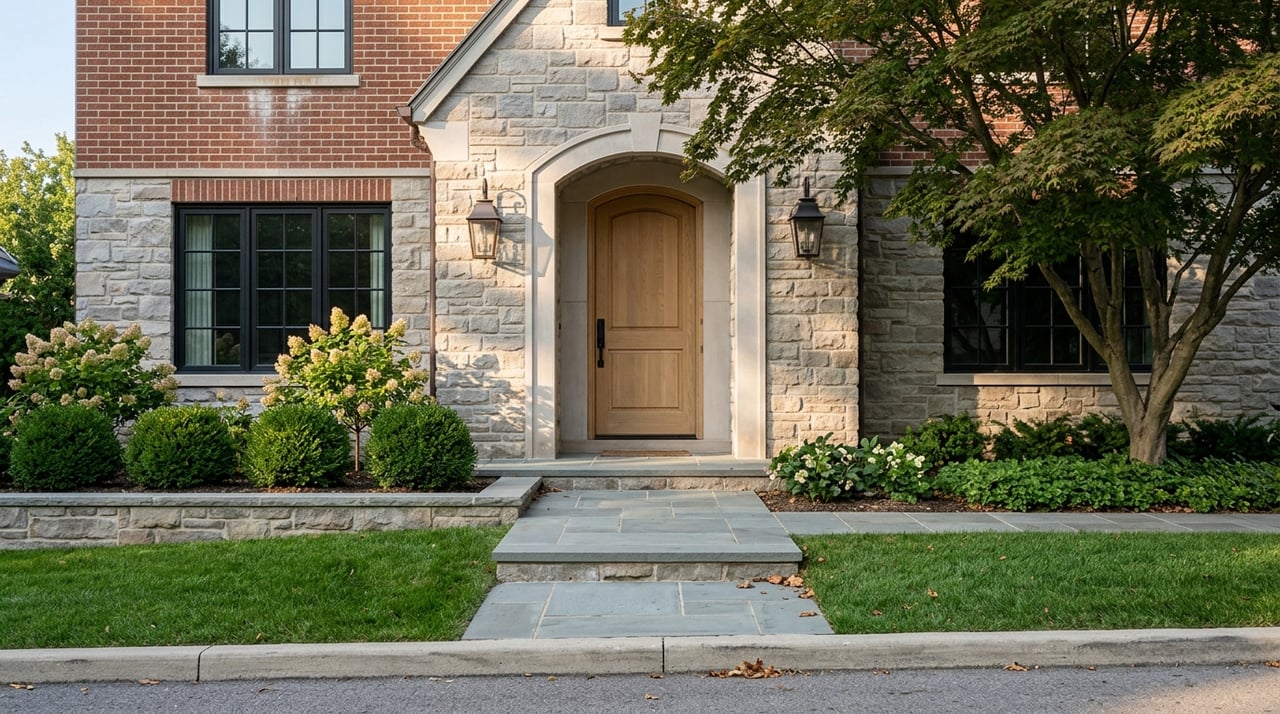
Wallingford is best understood as part of Nether Providence Township rather than as a standalone borough. That matters because housing patterns and zoning are shaped by the township, which helps explain why the area feels more like a larger-lot suburban community than a compact town center.
The numbers support that picture. In Nether Providence Township, 89% of housing units are single-unit structures, 88% of occupied homes are owner-occupied, and the median value of owner-occupied homes is $458,600. Compared with Delaware County’s median listing price of $339,900, Wallingford clearly sits above the county as a whole.
If you are looking for detached homes and a more traditional suburban layout, Wallingford stands out. Township zoning points to a pattern of primarily single-family detached homes on larger lots, with R-1 districts generally requiring at least 20,000 square feet and R-2 districts generally requiring at least 14,000 square feet.
That does not mean every property is the same, but it does help explain the area’s overall character. In practical terms, Wallingford tends to appeal to buyers who want more separation between homes, more yard space, and a suburban setting that still offers rail access.
Media is the most compact and mixed-housing option in this comparison. Census data shows that 57% of housing units in Media are in multi-unit structures, and 58% of occupied units are renter-occupied. The borough is also described as fully built out, with much of its housing stock built before 1960.
By contrast, Wallingford leans much more heavily toward owner-occupied detached housing. If you want a market with more housing variety and a broader selection of attached or multi-unit options, Media offers more of that mix than Wallingford.
Media also has the strongest transit menu in this group. The borough is served by Regional Rail, bus routes 110 and 118, and trolley Route 101, and its transit network connects with Wallingford, Swarthmore, and Center City stations.
On the market side, Media currently has 109 homes for sale and a median listing price of $750,000. Wallingford has 49 homes for sale and a median listing price of $627,499. So if you are comparing the two, Wallingford offers a lower current list-price midpoint than Media, but also less inventory.
Swarthmore offers a different kind of appeal. Its housing pattern is more historic and compact, with the borough’s comprehensive plan describing development that ranges from the late 1800s through the mid-1900s. The borough is also almost entirely built out and landlocked.
Census data shows 61% single-unit housing in Swarthmore, 76% owner occupancy, and a median owner-occupied value of $633,800. That puts Swarthmore above Wallingford on long-run owner-occupied home values, which can matter if you are comparing price positioning over time rather than just today’s listings.
Swarthmore also shows a more walkable and transit-oriented profile. About 24% of workers walk to work, 8% use public transit, and the mean commute is 26.3 minutes. Wallingford, on the other hand, has a more suburban commute pattern with a 31-minute average commute and 6% of workers using public transit.
If your priority is a smaller, more walkable footprint with station-area character, Swarthmore may feel like the better fit. If you prefer a more detached suburban setting with larger-lot character, Wallingford tends to align better with that goal.
Springfield Township is probably the closest match if you want a conventional detached-suburban comparison. Census data shows that 95% of housing units are single-unit structures and 94% of occupied units are owner-occupied, making it even more heavily detached and owner-occupied than Wallingford.
Springfield’s median owner-occupied value is $414,900, which is below Wallingford’s $458,600. Its current market snapshot shows 56 homes for sale and a median listing price of $497,450, which also places it below Wallingford on current list prices.
In other words, Springfield may appeal if you want a similarly suburban housing pattern at a somewhat lower price point. Wallingford, however, tends to sit in a somewhat higher tier while still offering the detached-home character many buyers want.
Looking at active listings across these nearby suburbs can help you understand Wallingford’s position more clearly. It is not the least expensive option in the group, but it is also not the highest on current listings.
| Area | Median Listing Price | Homes for Sale |
|---|---|---|
| Wallingford | $627,499 | 49 |
| Media | $750,000 | 109 |
| Swarthmore | $369,900 | 36 |
| Springfield Township | $497,450 | 56 |
These figures are a snapshot from May 2026, with charts through April 2026, so they are best used as a current market view rather than a fixed rule. Even so, they show Wallingford landing in the upper-middle of this comparison set.
Wallingford also had a median days on market of 21 and 49 homes for sale in the latest snapshot, with listings up 38.71% year over year. That suggests buyers may find more options than they would expect in a tight suburban market, even though inventory is still not as broad as Media’s.
Commuting patterns can shape daily life just as much as home prices. In Wallingford, the average commute is 31 minutes, 6% of workers use public transit, and 27% work from home.
Wallingford is suburban, but it is not cut off from transit. The area is on the Media/Elwyn line, which connects through Media and continues to Center City stations, and the township identifies convenient public transportation as part of the community profile.
Media offers the most transit choice overall. Swarthmore shows the strongest walk-to-work share in this group. Springfield is the most car-oriented, with only 3% of workers using public transit and a 27.7-minute mean commute.
If you want a balance between detached suburban living and rail access, Wallingford lands in a useful middle ground. It does not feel as transit-centered as Media or Swarthmore, but it offers more flexibility than a purely car-dependent comparison.
Wallingford tends to make the most sense if you want established detached homes, larger-lot suburban character, and access to rail without choosing a compact borough setting. It occupies a middle position that many buyers find appealing because it blends space, stability, and connectivity.
Media is a stronger fit if you want a more mixed housing stock and broader transit options. Swarthmore may stand out if you are drawn to historic character, walkability, and higher long-run owner-occupied values. Springfield is often a practical comparison if you want a more conventional suburban housing pattern at a lower price point.
The key is not deciding which suburb is “best.” It is identifying which one lines up best with how you want to live, what type of home you want, and what price range feels comfortable for you.
If you are weighing Wallingford against Media, Swarthmore, Springfield, or another Delaware County suburb, working with a local advisor can make the comparison much clearer. For tailored guidance on buying or selling in these markets, connect with Sandra McCulley.
Stay up to date on the latest real estate trends.
Whether you’re buying, selling, or simply exploring your options, I am here to help. Let’s embark on this journey together, turning your real estate dreams into reality. Contact me today to schedule a consultation and take the first step towards finding your perfect place to call home.
601 E Baltimore Pk, Media, PA 19063