Why Nearly Every Wallingford Home Sale Comes With a Sewer Lateral Inspection
August 27, 2026
August 27, 2026
Under every lawn in Wallingford runs a pipe nobody thinks about until it matters: the sewer lateral connecting the house to the township main. For most sellers, it never crosses their mind until they learn from Nether Providence Township's resale notice that sewer lateral inspections are required for resales, usually right around the time they thought the hard part was over.
According to the Nether Providence Township Code, that inspection isn't a courtesy or a lender's preference. It's been local law since 2015, and it exists precisely because the age of the pipe underground tracks almost exactly with when the house above it went up.
Nether Providence Township adopted its sewer lateral ordinance in September 2015, under pressure from the Pennsylvania Department of Environmental Protection to reduce stormwater and groundwater sneaking into the sanitary sewer system through cracked or deteriorated private lines. The township's own notice to residents is direct about who it applies to: sewer lateral inspections are required for resales "unless they have been built within the past 10 years."
That inspection isn't a quick look with a flashlight. A certified operator has to run a video inspection of the full lateral, paired with a dye test or a smoke test, following NASSCO's national coding standards for sewer condition. The results go to the township before a certificate of use and occupancy can be issued.
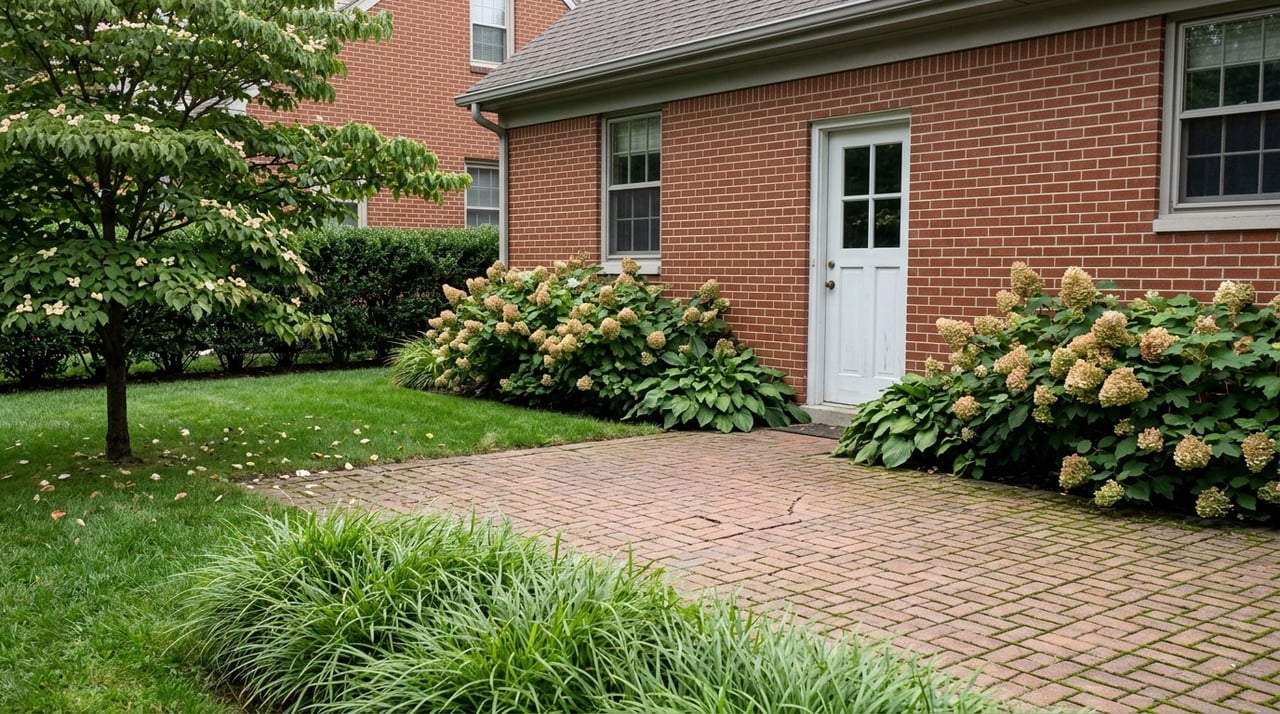
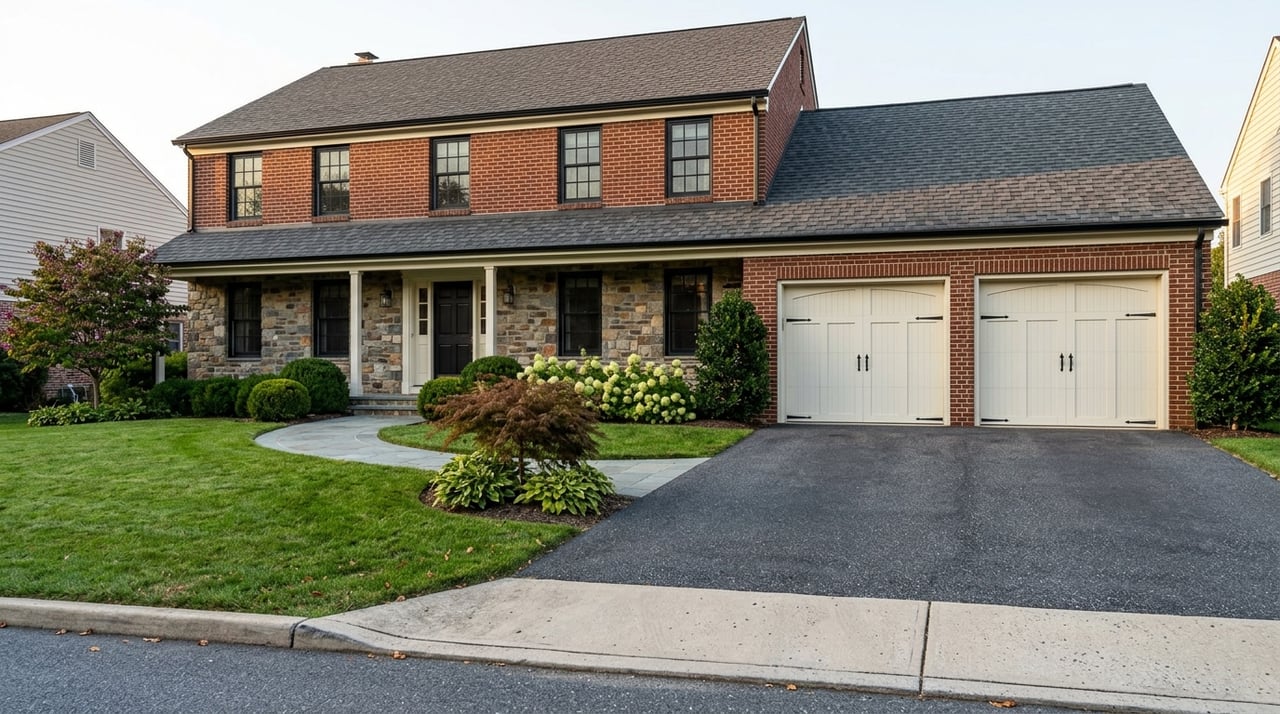
That exemption sounds like a reasonable off-ramp until you look at what's actually on the ground in Wallingford. The township's own history describes a place that moved through farming, then mill-driven manufacturing, then a stretch as a summer resort for Philadelphians, before settling into the residential community it is today, and that residential wave landed decades before the exemption's ten-year window even opens. The housing stock is Cape Cods, brick and stone-front Colonials, split-levels, and ranch-style singles, most of them dating from the postwar decades rather than the last ten years.
New single-family construction inside Nether Providence Township is not common. What new building does exist tends to be an occasional infill lot or a condominium community, not a wave large enough to change the math for most sellers. In practice, the ten-year window is a technicality that applies to a small slice of the market, not a real escape hatch for the typical Wallingford resale.
That matters because of how fast homes here move once they're listed. As of June 2026, the median list price in Wallingford stood at $435,000, with homes spending a median of just 15 days on market. A seller who waits until an accepted offer to think about the lateral is trying to schedule a licensed plumber, a video inspection, and a township review inside a contingency window that was never built to absorb it.
The lateral isn't the only finding tied to when these homes were built. Many were originally heated with oil before later converting to gas, and the fuel never fully disappeared from the area. A heating oil supplier has operated out of Wallingford for a century, which is its own quiet evidence that oil heat was, and in some cases still is, part of daily life here.
Flagstone's guide to underground oil tanks notes that Pennsylvania's standard seller disclosure form asks directly whether the seller is aware of any underground storage tank on the property. The law backs that question with real weight: a seller who knows about a buried tank and doesn't disclose it can face civil liability after the sale closes. Complicating matters, residential heating oil tanks under 1,100 gallons were historically exempt from state tank registration, so plenty of them were never entered into any government database. For a lot of these properties, the seller's own memory, or a professional tank sweep before listing, is the only record that exists.
The electrical picture tells a different story than it would in an older Delaware County neighborhood. Because most of Wallingford was built after knob-and-tube wiring had largely disappeared from new construction, that particular red flag shows up far less here than it does in Philadelphia's rowhome blocks or the county's pre-1940s boroughs. What does show up regularly is a panel sized for a much smaller mid-century household, cast iron drain stacks reaching the end of a normal service life, and homes that were never built with ductwork at all. That last point explains why so many additions and finished basements around town rely on ductless mini-split systems rather than central air. The infrastructure was never there to retrofit.
None of these findings are disqualifying on their own. They're predictable, which means they're manageable, if a seller works the calendar backward instead of discovering each one mid-contract.
Does this apply to every home in Wallingford? If the property sits within Nether Providence Township, yes, unless it was built in the last ten years. Some Wallingford-area addresses cross into Swarthmore Borough or Rose Valley, each with its own local rules, so confirming which municipality actually governs your parcel is worth doing before you assume anything.
What happens if the lateral fails? The ordinance requires repair or replacement before the township signs off. Comparable lateral replacements elsewhere in Delaware County have run from roughly $10,000 to $20,000 depending on length and material, which is exactly why finding out in advance beats finding out during a tight inspection contingency.
Is this a Wallingford-only rule? No. Point-of-sale sewer lateral ordinances exist across several Delaware County municipalities, all adopted after the same state environmental push to keep stormwater out of sanitary sewer lines. What makes the rule land harder in Wallingford is the housing stock itself. Townships with more recent construction have more homes that clear the ten-year exemption. Nether Providence, built out overwhelmingly before that window even opens, doesn't get that benefit.
If you're weighing a sale in Wallingford this fall, the ordinance itself isn't the obstacle. Not knowing about it until you're three weeks into a contract is. Sandra McCulley has walked Delaware County sellers through exactly this kind of local detail long enough to know which steps belong before the sign goes in the yard and which ones can wait. Get in touch before you list, and let's build the timeline in the right order.
This article is general information, not legal, tax or financial advice. Consult a qualified professional about your situation.
Stay up to date on the latest real estate trends.
Whether you’re buying, selling, or simply exploring your options, I am here to help. Let’s embark on this journey together, turning your real estate dreams into reality. Contact me today to schedule a consultation and take the first step towards finding your perfect place to call home.
601 E Baltimore Pk, Media, PA 19063